
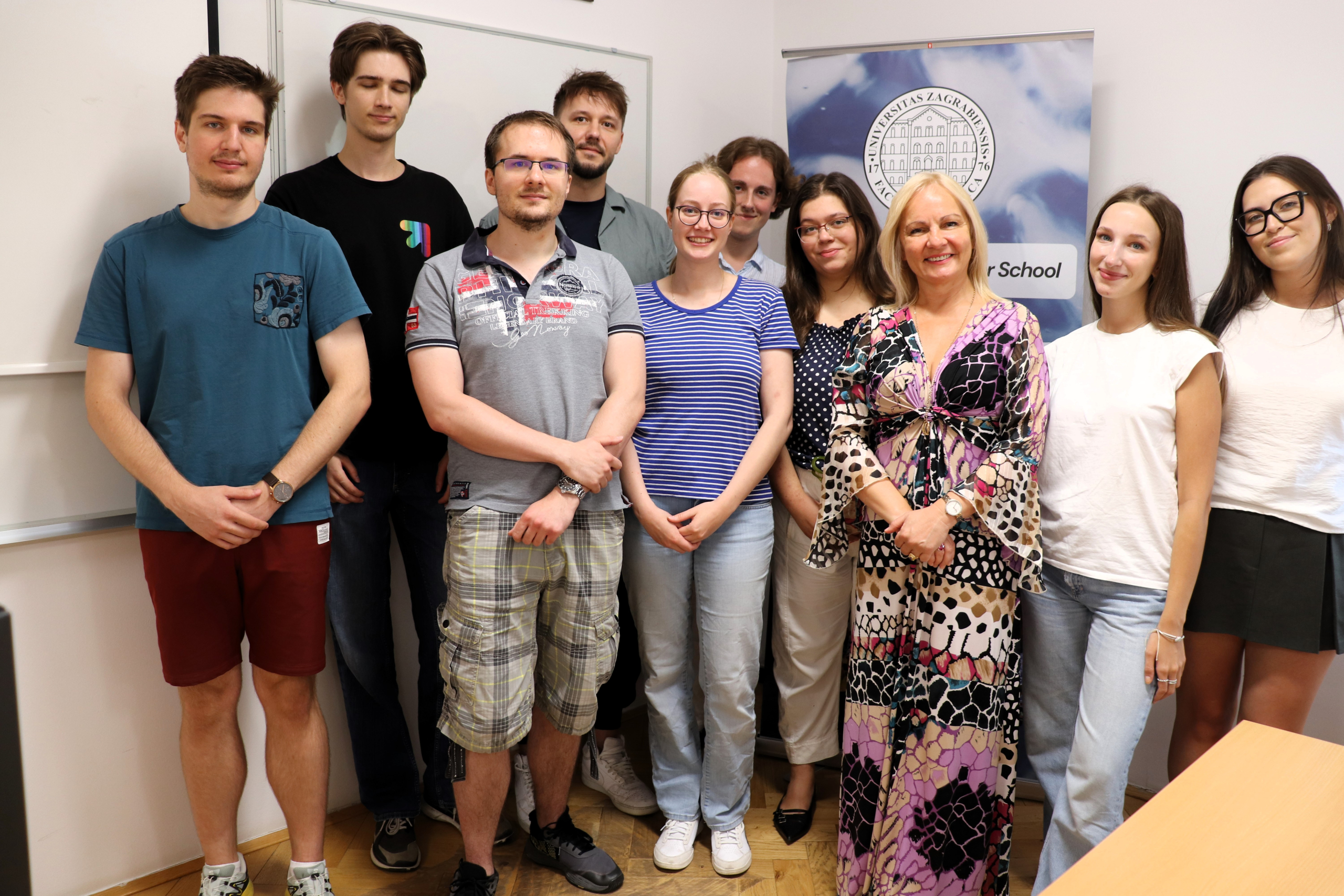
The third Faculty of Law Summer School, entitled “Copyright Law in the Digital Era – Media, Creativity and AI”, was held at the Faculty of Law, University of Zagreb, from 29 June to 10 July 2026. The international educational programme brought together students and alumni in law, public administration and information technology, as well as lecturers from Croatia and abroad.
This year’s Summer School was dedicated to one of the most topical areas of law in today’s digital society – copyright law in an era of rapid technological development, new forms of creating and disseminating content, and the challenges posed by artificial intelligence.
Over the course of the two-week interdisciplinary programme, participants had the opportunity to explore the relationship between copyright law, the media, creativity and new technologies through lectures, workshops and discussions with Croatian and international experts.
The first week focused on key aspects of the international and European copyright protection system, including:
- international and European copyright frameworks (the Berne Convention, TRIPS, WIPO, the InfoSoc Directive and the DSM Directive) (Professor Romana Matanovac Vučković)
- copyright law in the digital environment – from digital copying to genAI (Associate Professor Tihomir Katulić)
- the importance of copyright law in the 21st century (Professor Romana Matanovac Vučković)
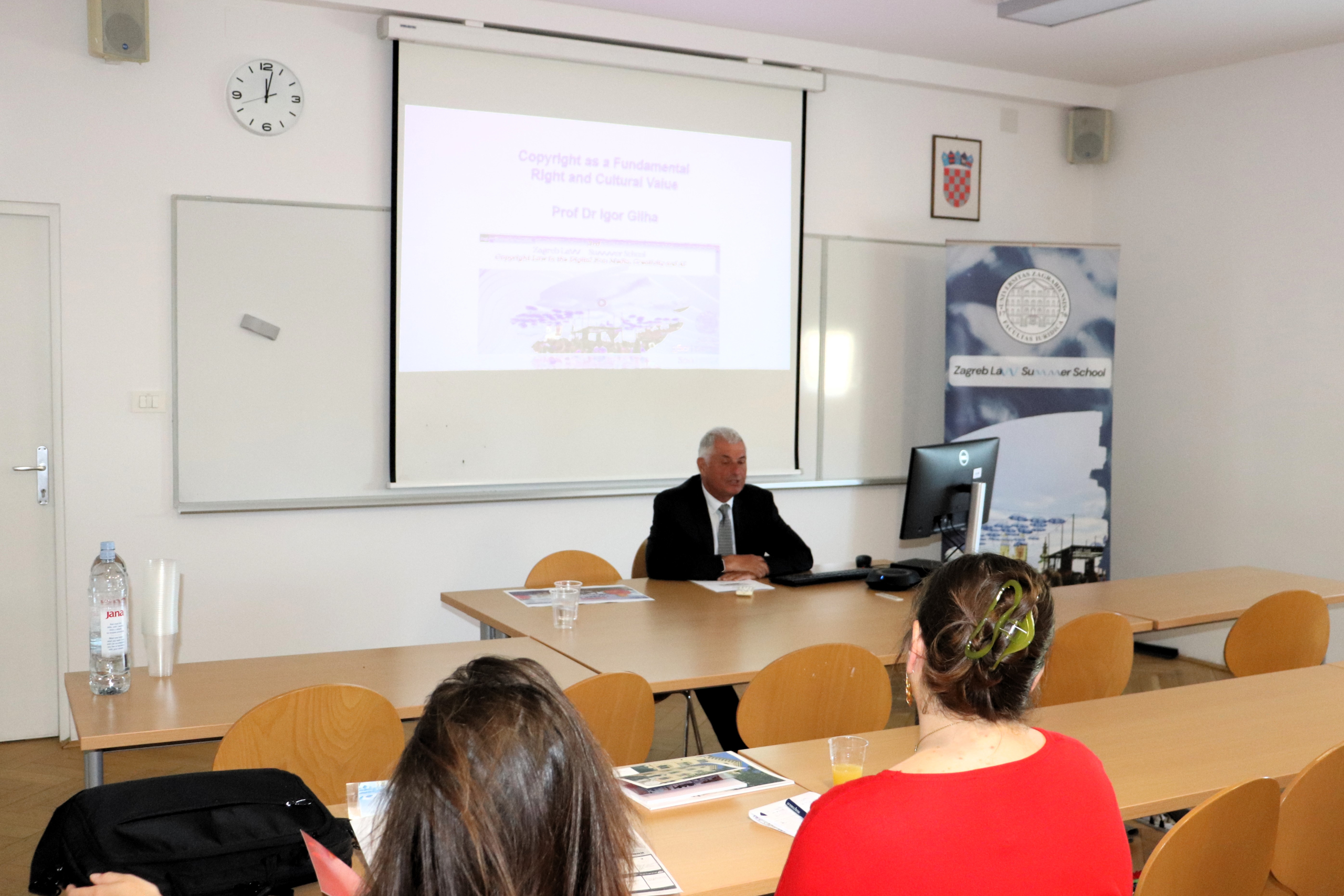
- copyright as a human right and a cultural value (Professor Igor Gliha)
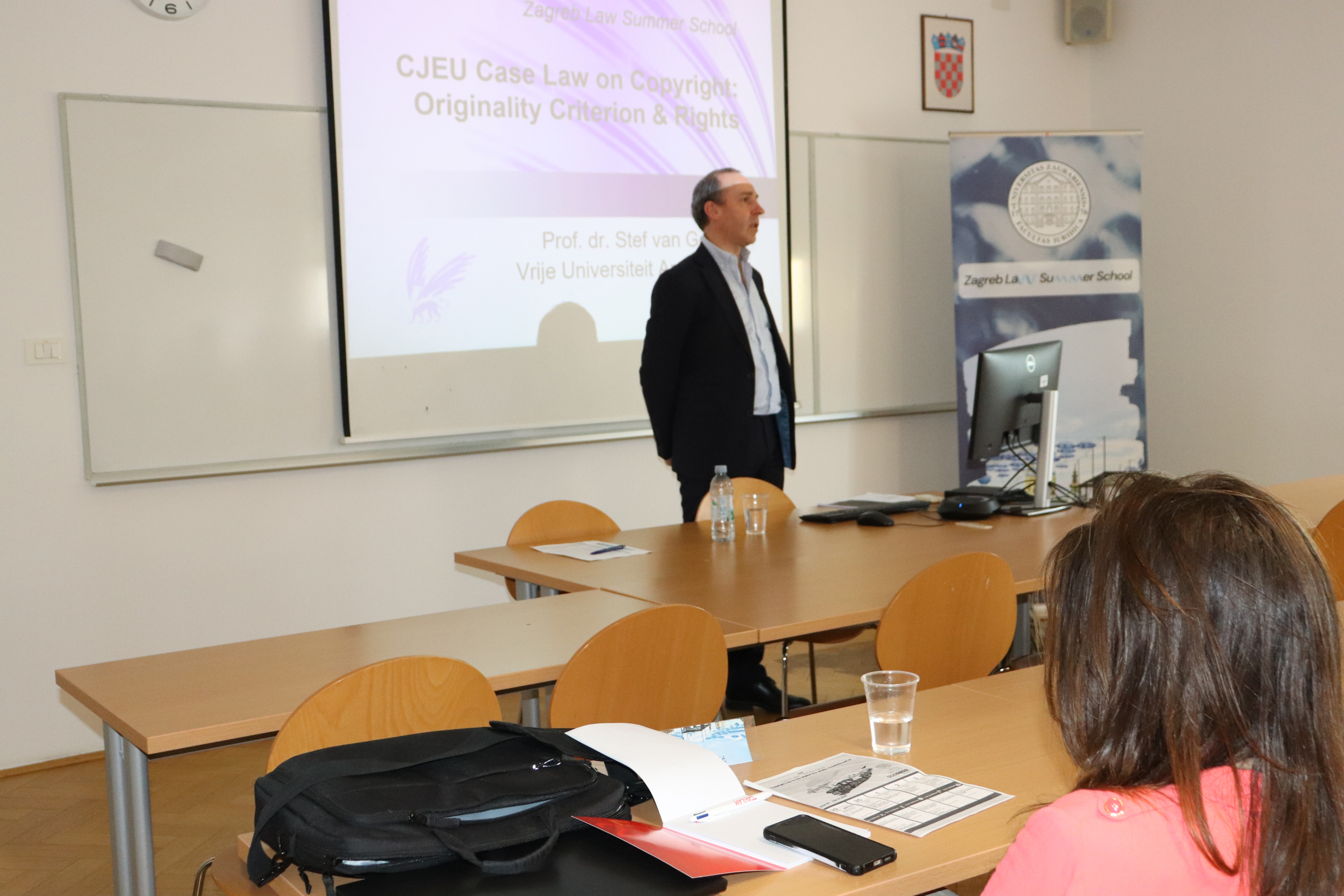
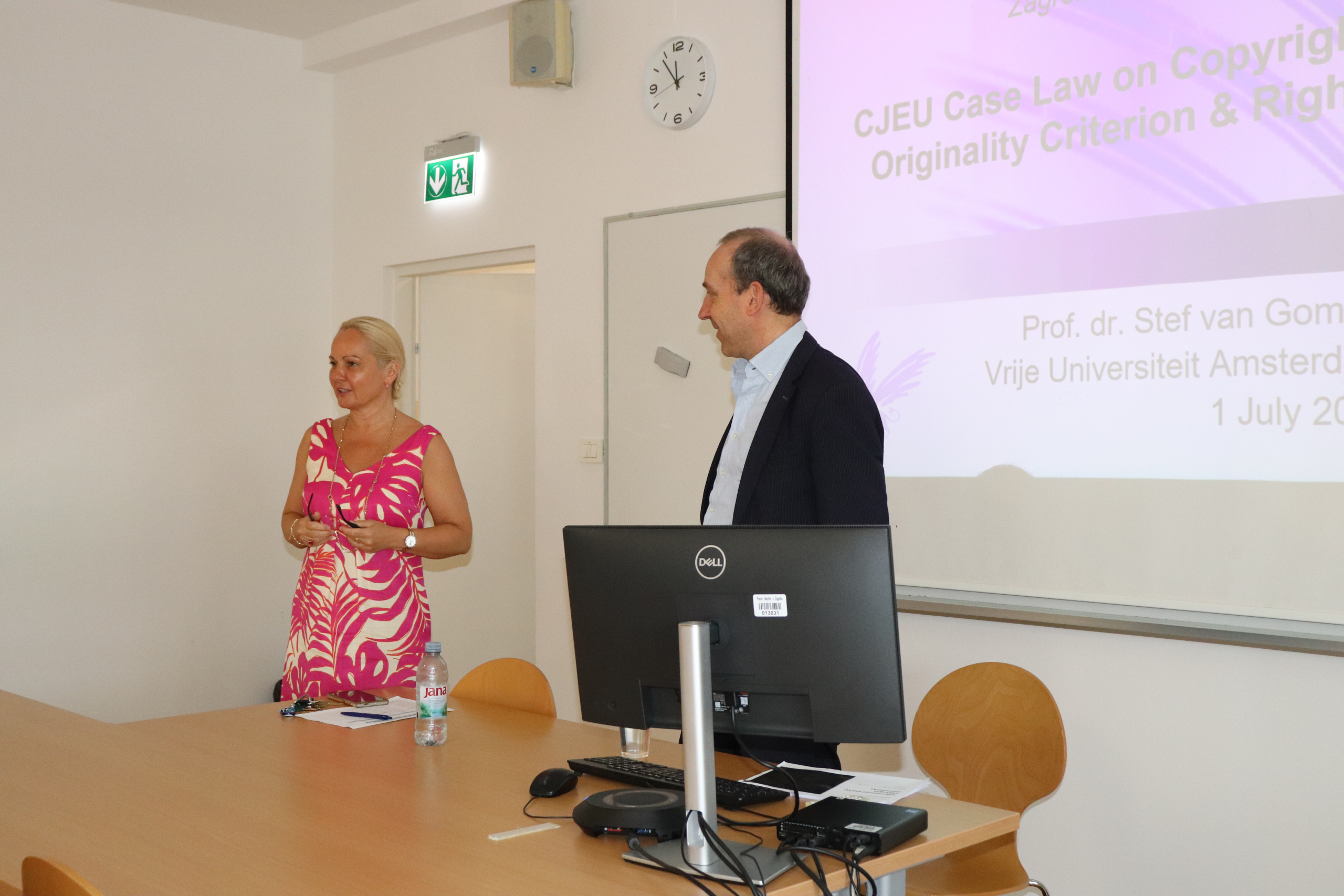
- CJEU case law on copyright – originality criterion and rights (Professor Stef van Gompel)
- copyright and related rights in Croatia (Professor Igor Gliha)
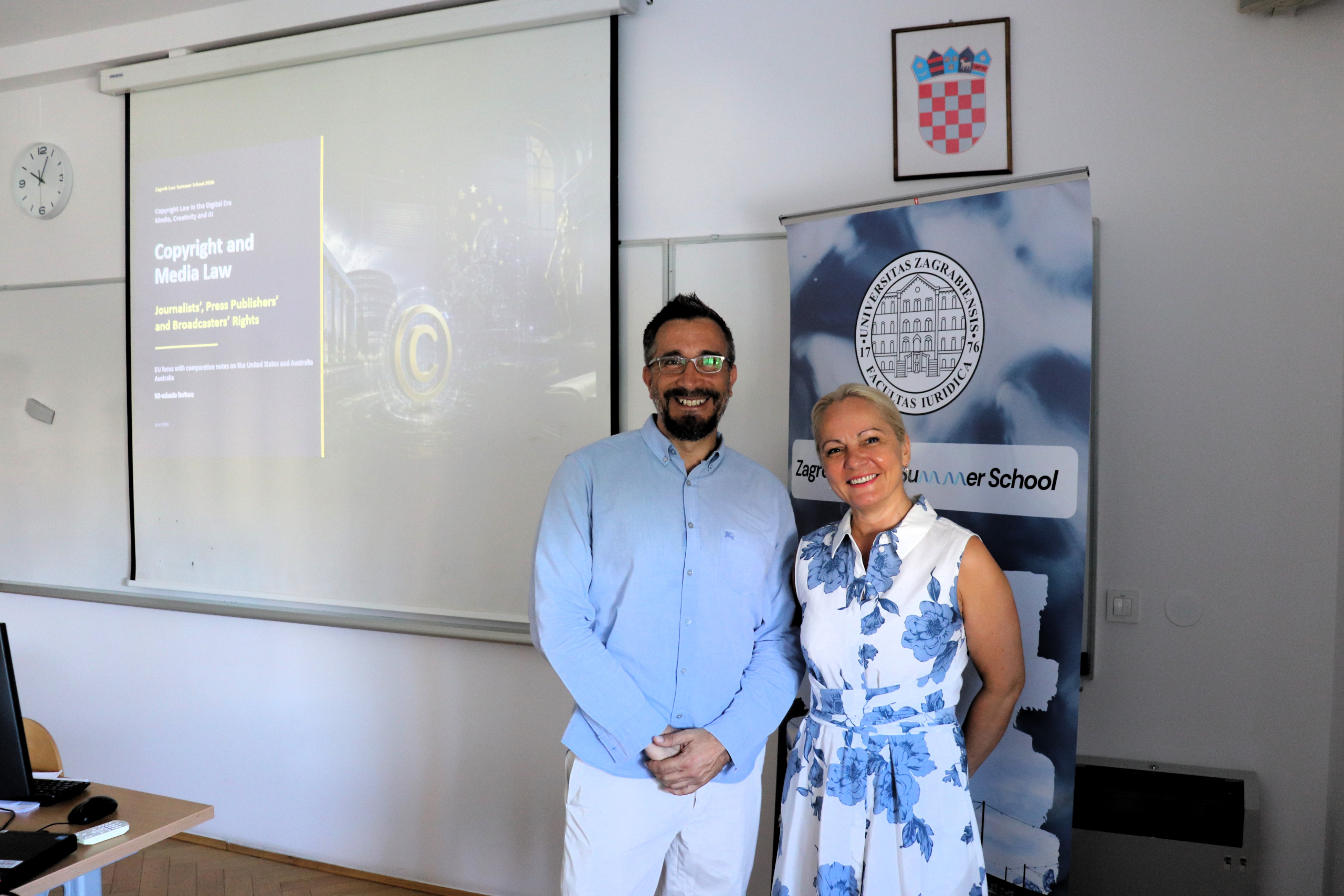
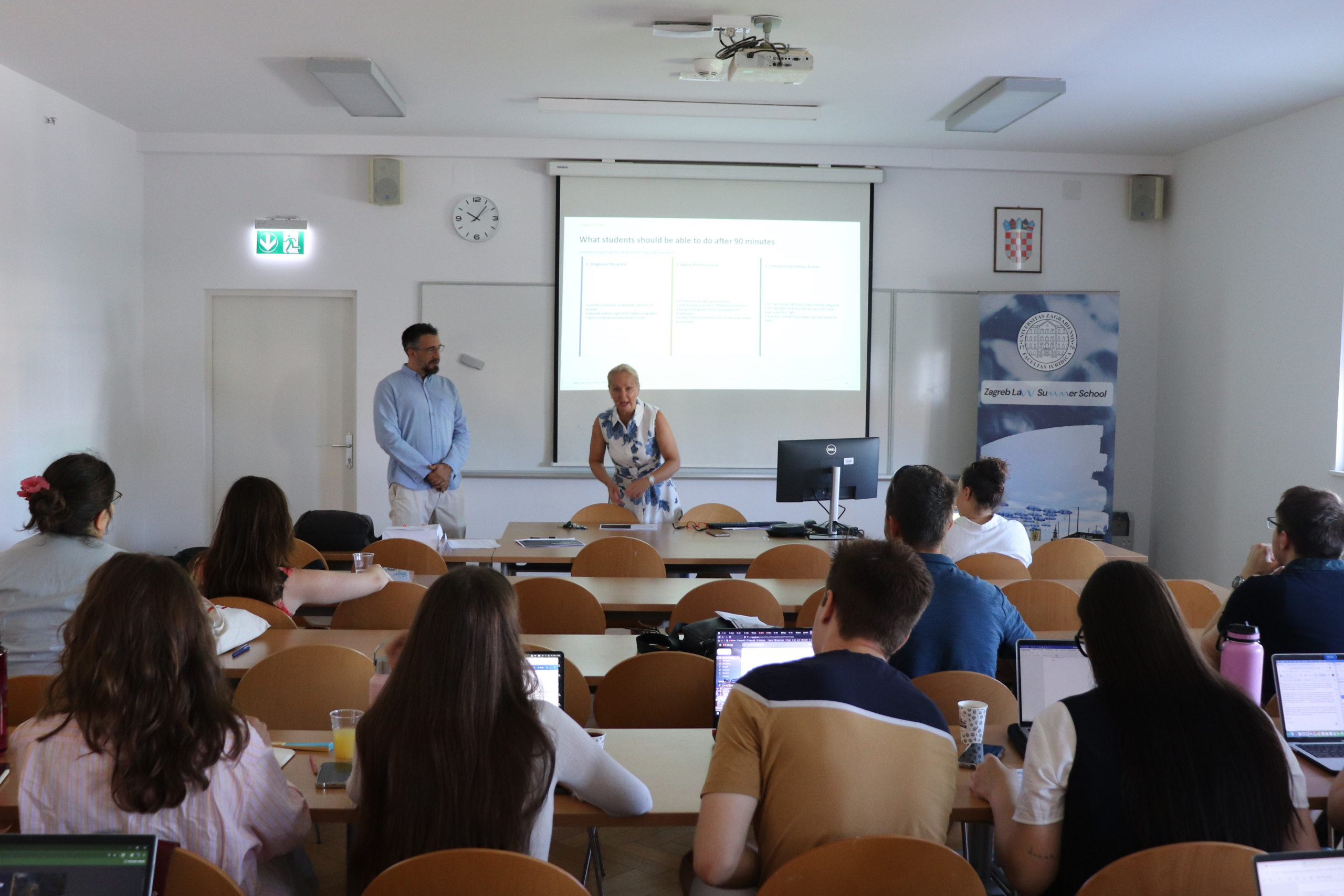
- copyright and media law: journalists’, publishers’ and broadcasters’ rights (Boris Trupčević and Professor Romana Matanovac Vučković)
- collective management of copyright from a comparative perspective (Professor Stef van Gompel)
- practical workshop: copyright challenges in the media (Boris Trupčević)
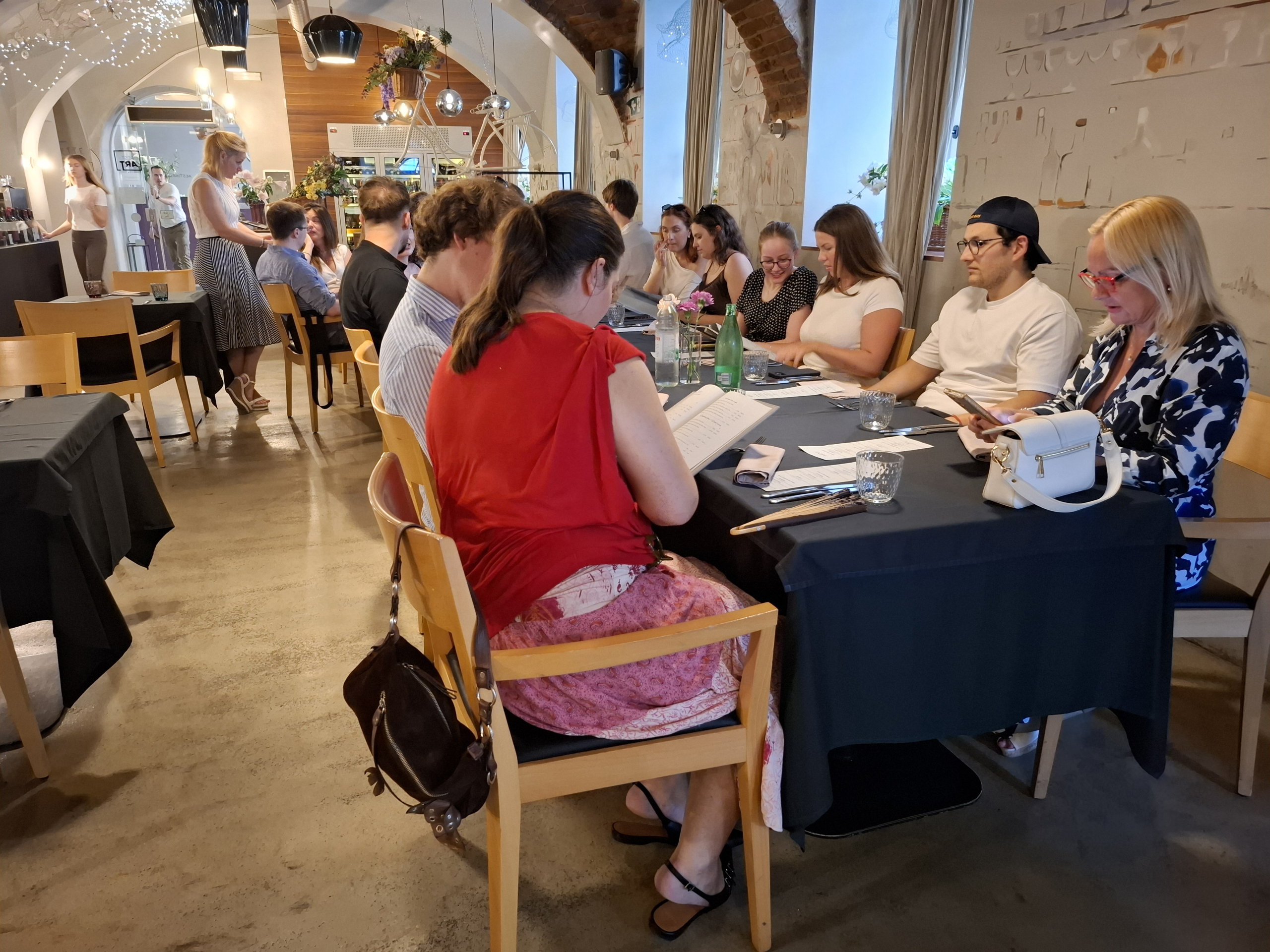
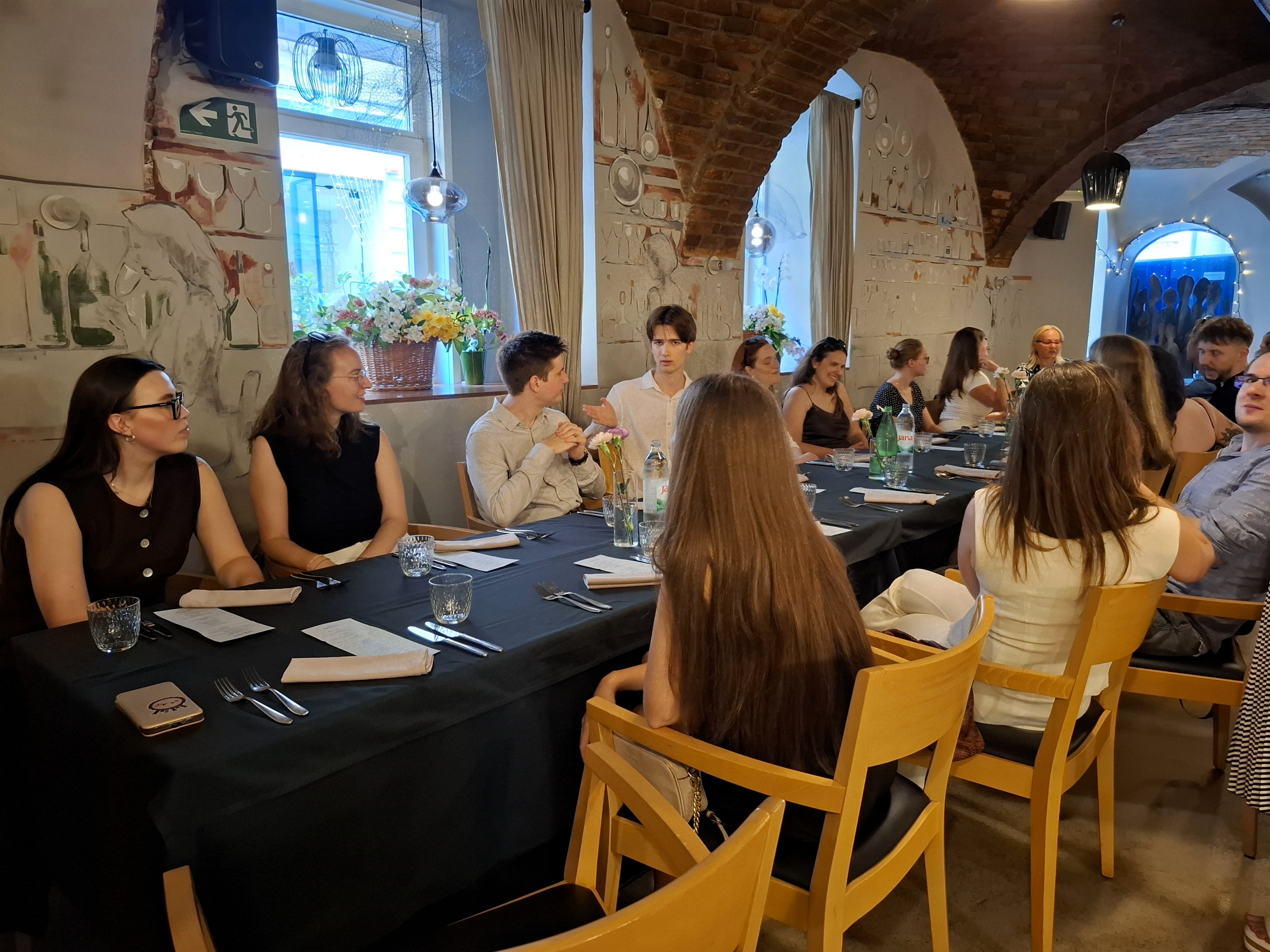
During the programme, participants also had the opportunity to discover Zagreb through an organised city tour. The social programme was further enriched by a welcome dinner at Restaurant Boban and a visit to the Museum of Broken Relationships.
The second week turned to the challenges posed by digital transformation and artificial intelligence for copyright law. Lectures and discussions explored the following topics:
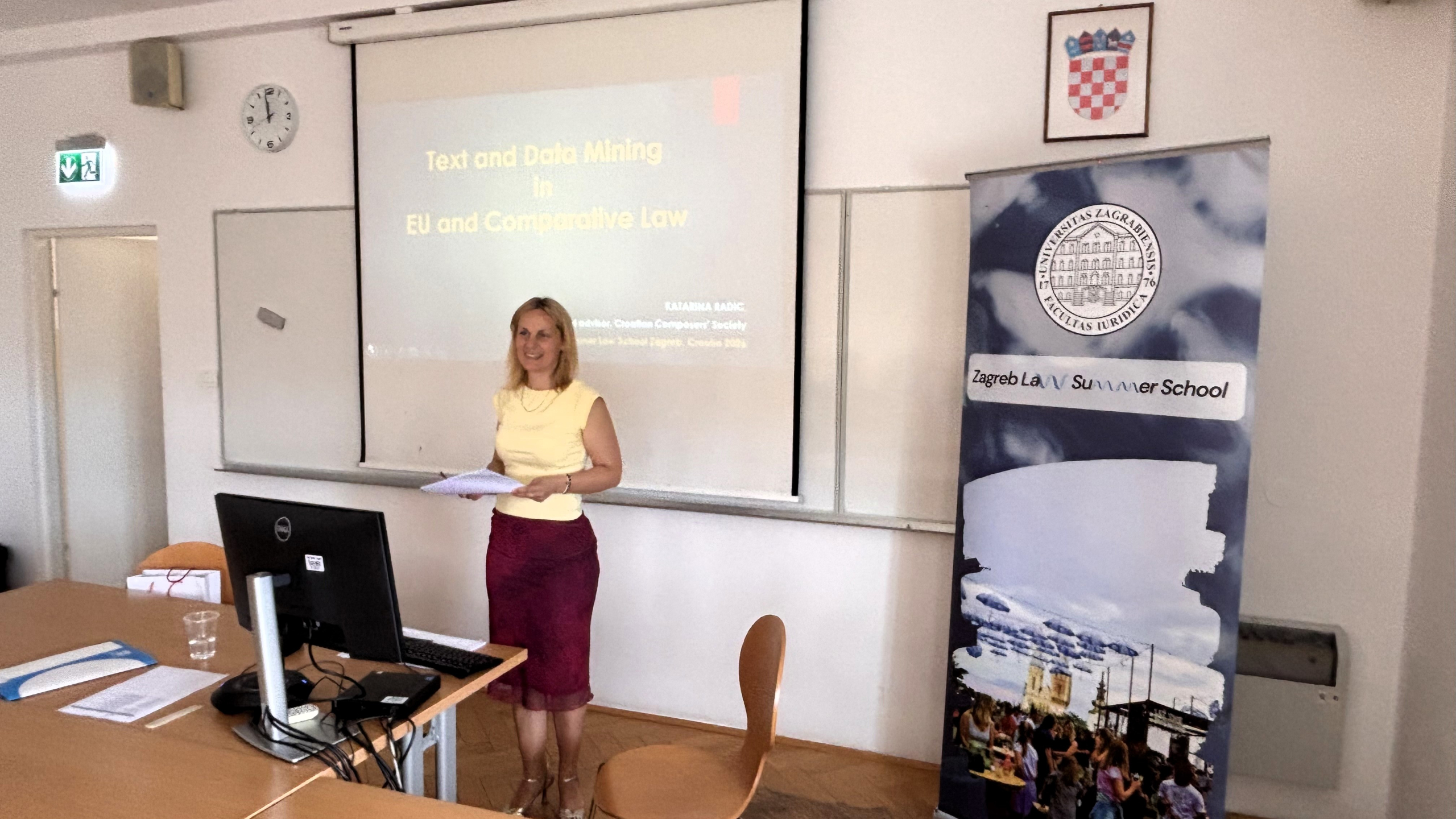
- text and data mining in European and comparative law (Katarina Radić, Legal Adviser at HDS ZAMP)
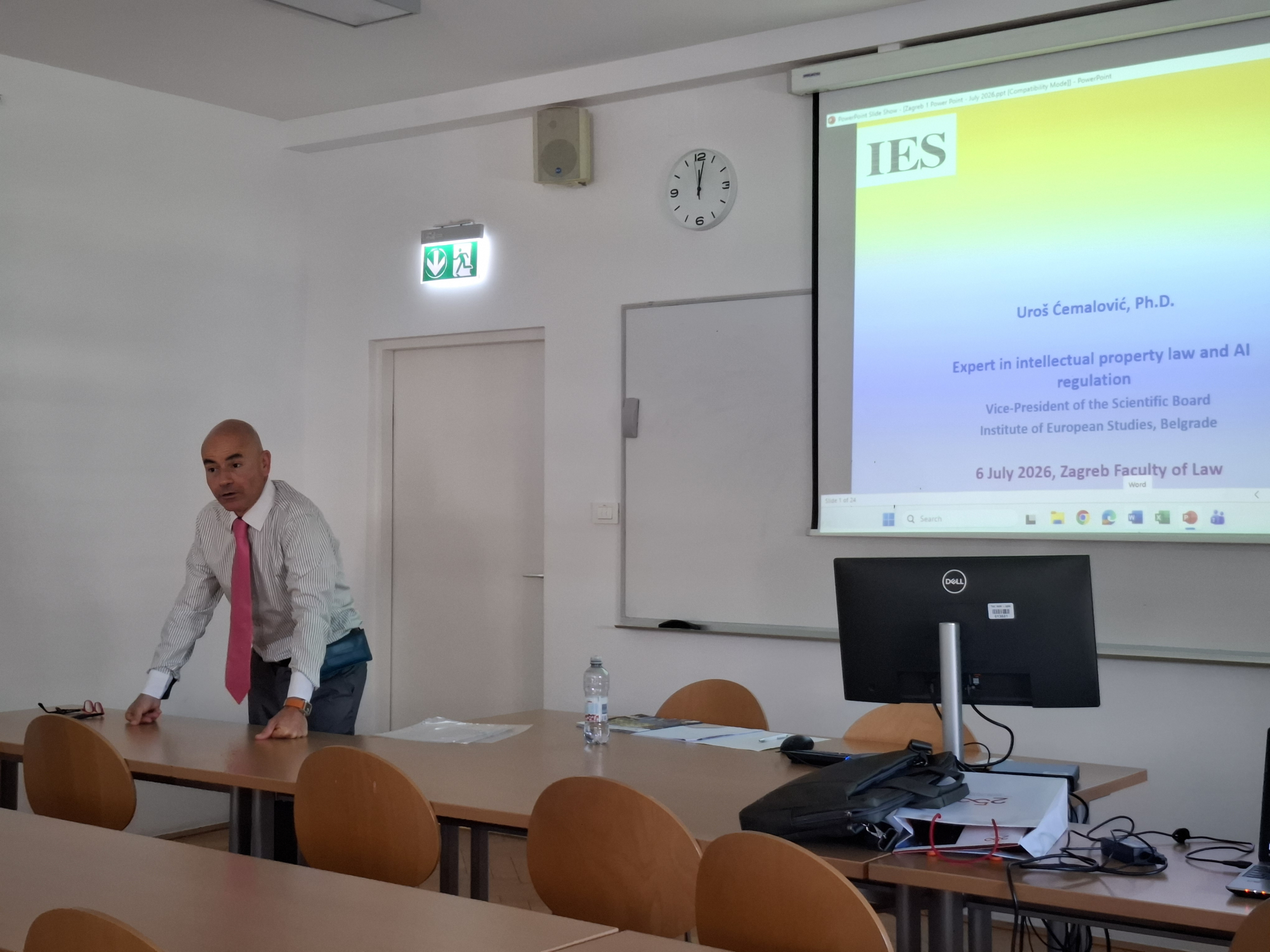
- copyright and audiovisual works in the age of artificial intelligence (Uroš Ćemalović, PhD)
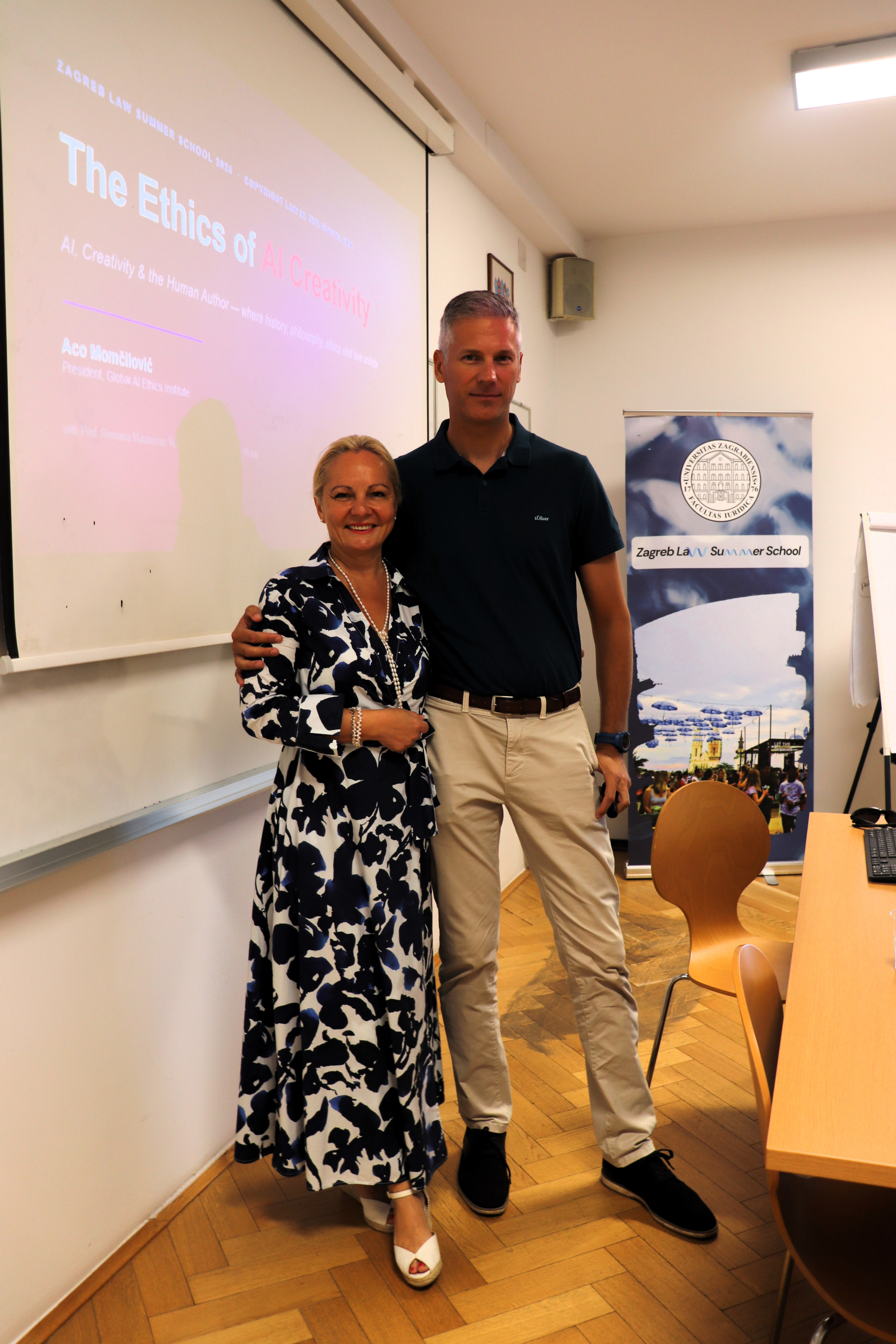
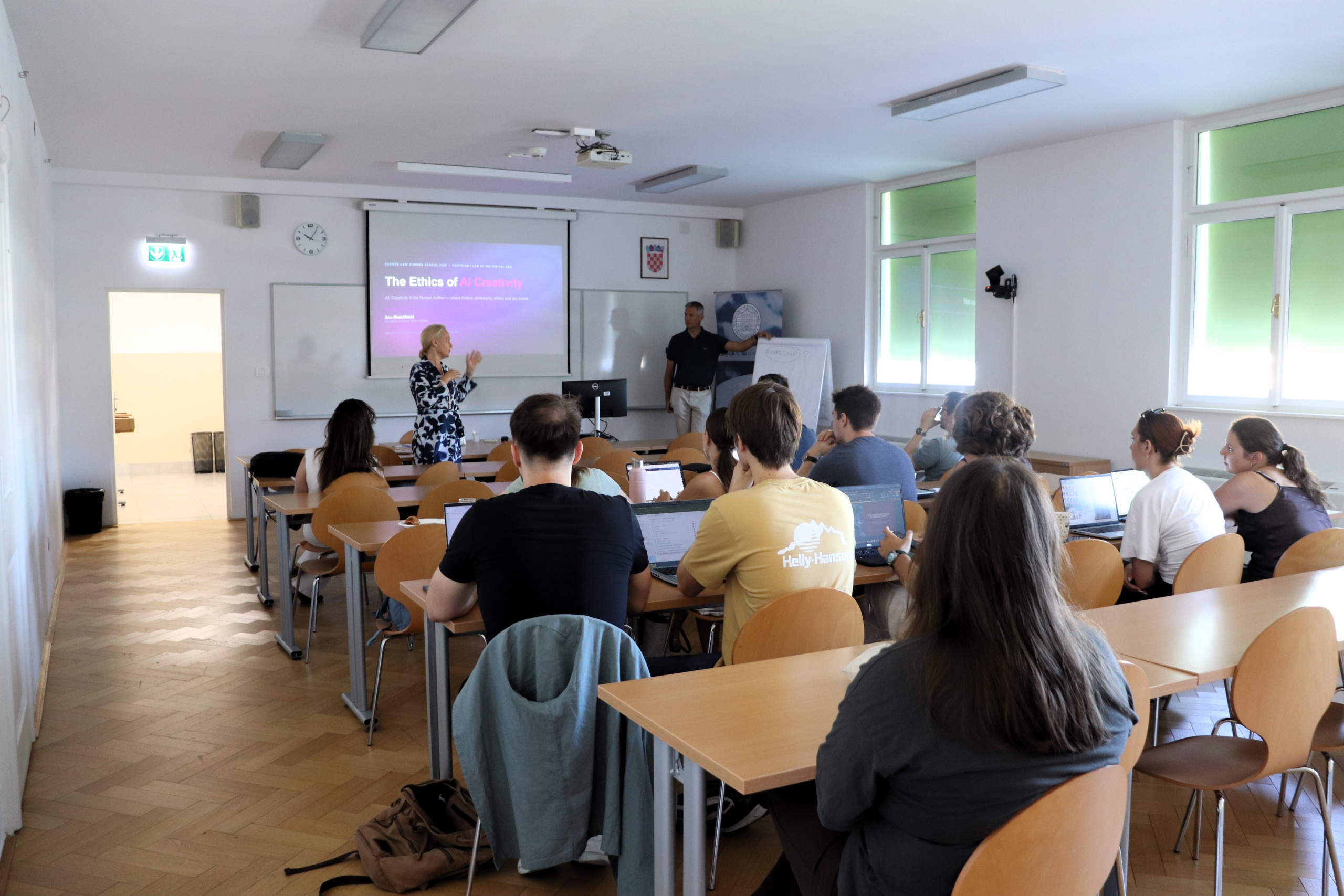
- the ethics of AI creativity (Aco Momčilović and Professor Romana Matanovac Vučković)
- cross-border enforcement of copyright (Professor Ivana Kunda)
- copyright enforcement and online piracy (Uroš Ćemalović, PhD)
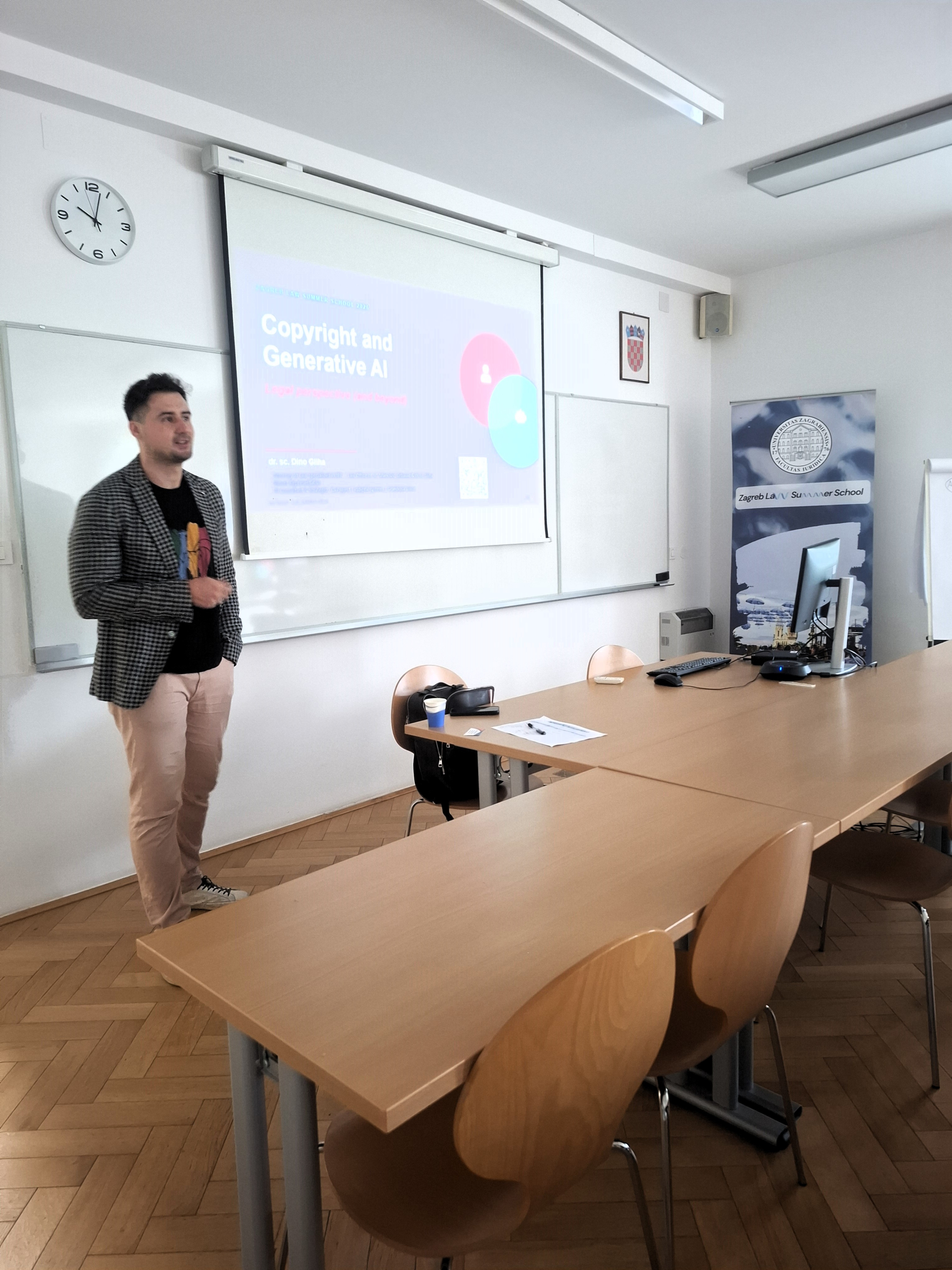
- generative artificial intelligence from a legal perspective (Dino Gliha, PhD)
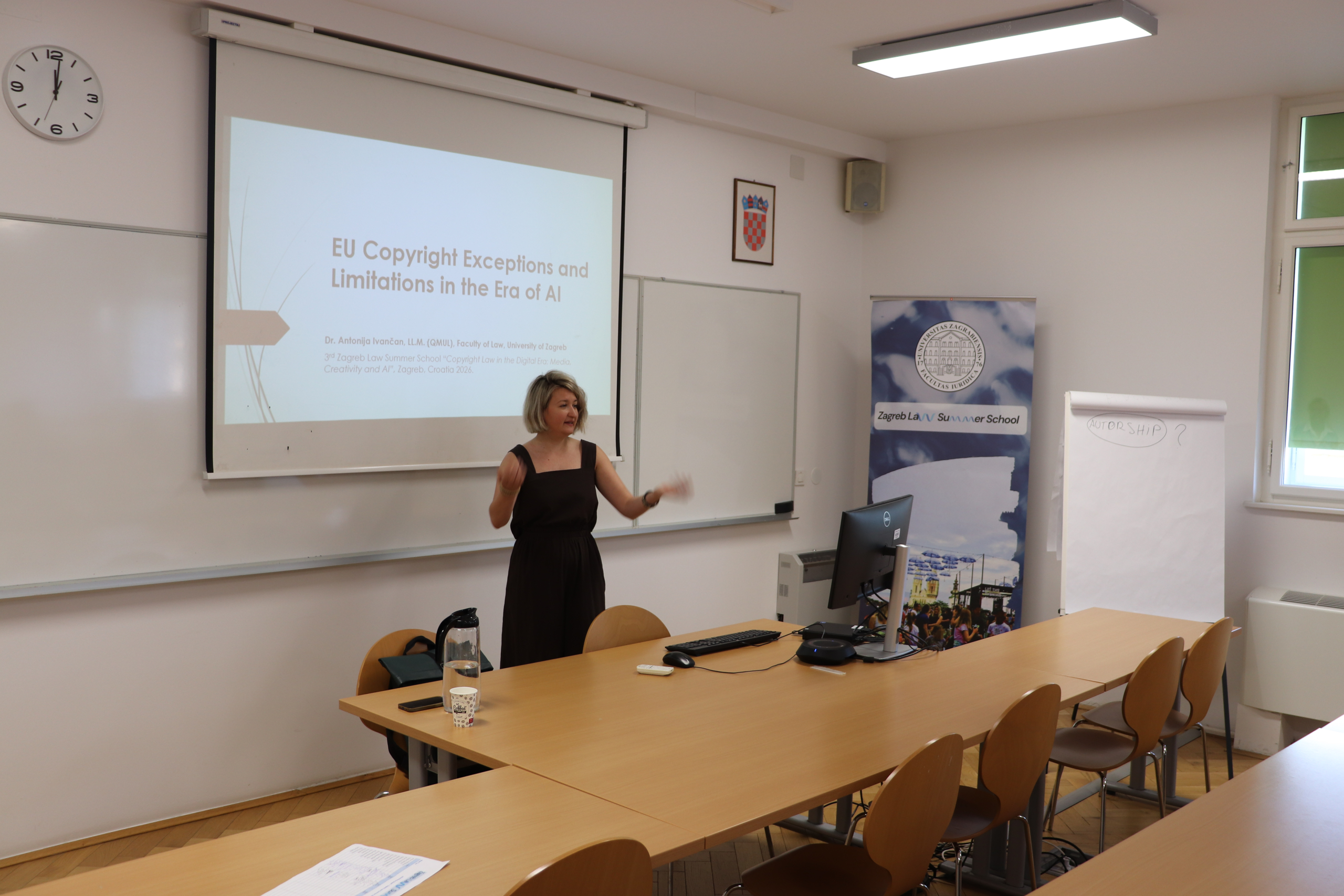
- exceptions and limitations to copyright in the European Union in the age of artificial intelligence (Antonija Ivančan, PhD)
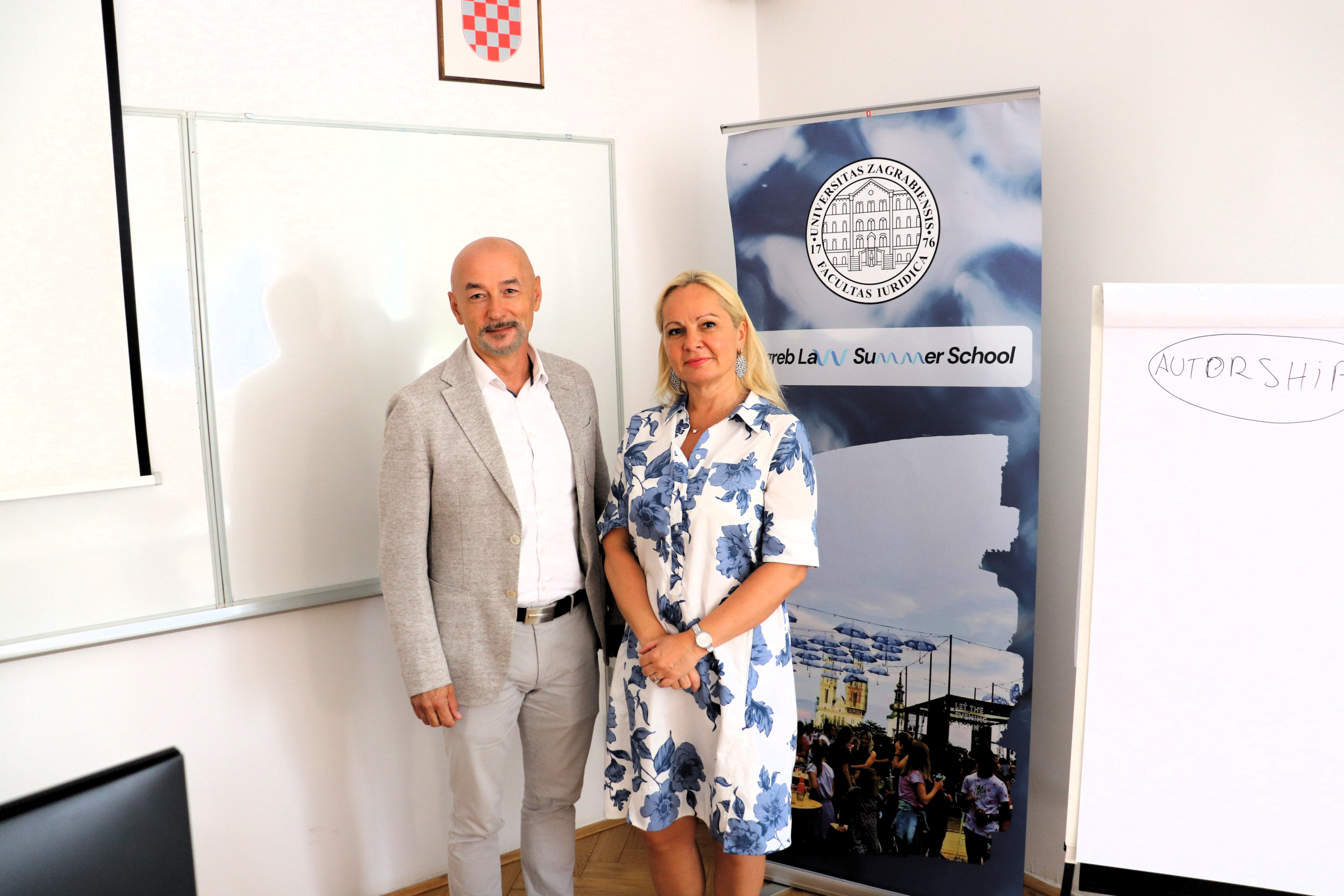
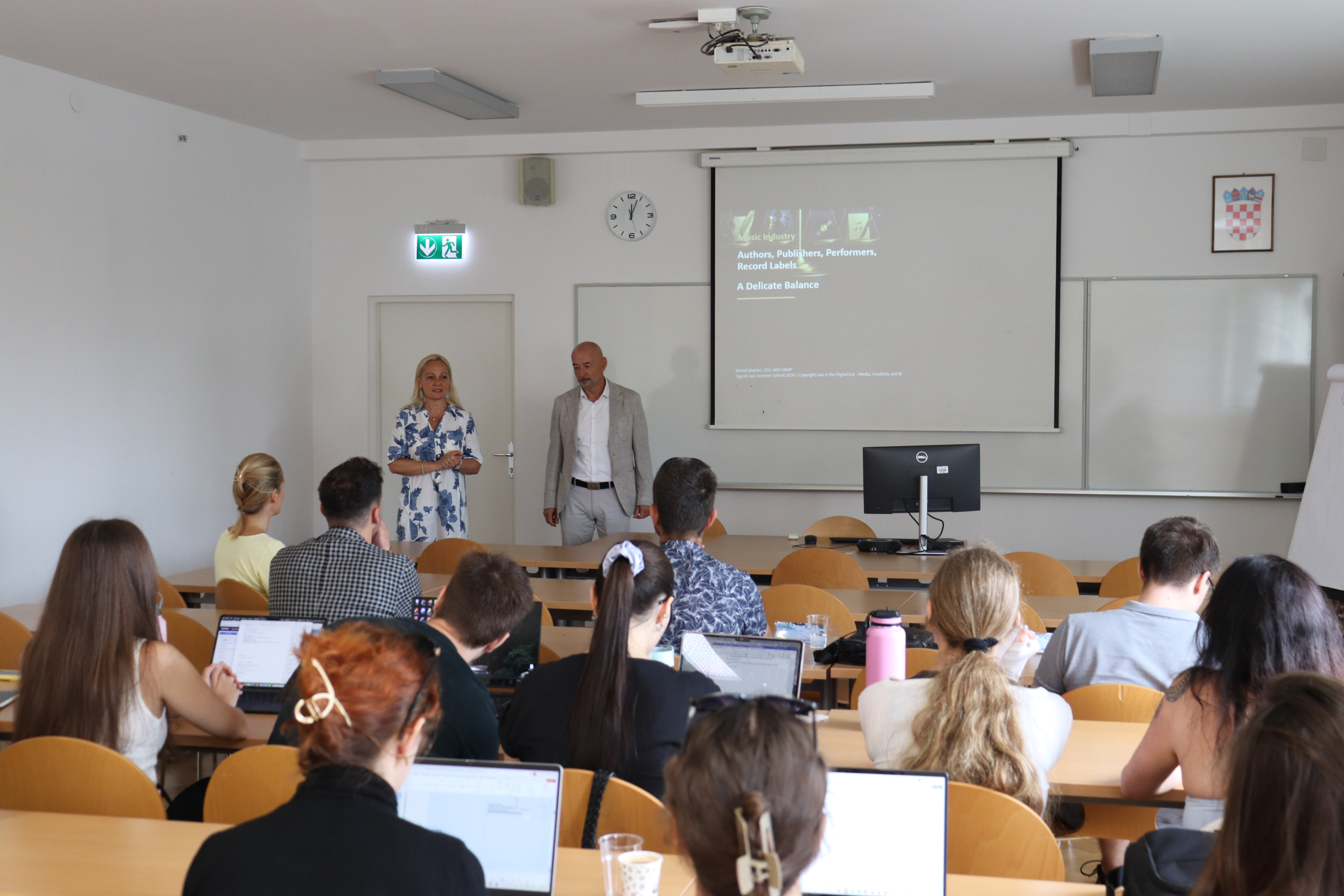
- the music industry and the balance between authors, publishers, performers and record labels (Nenad Marčec, CEO of HDS ZAMP)
A special part of the programme consisted of the panel discussions “AI, Art and the Future of Creativity” and “The Future of Copyright in Europe”, during which lecturers and students discussed the future of creativity, the role of artificial intelligence and the direction of the European copyright system.
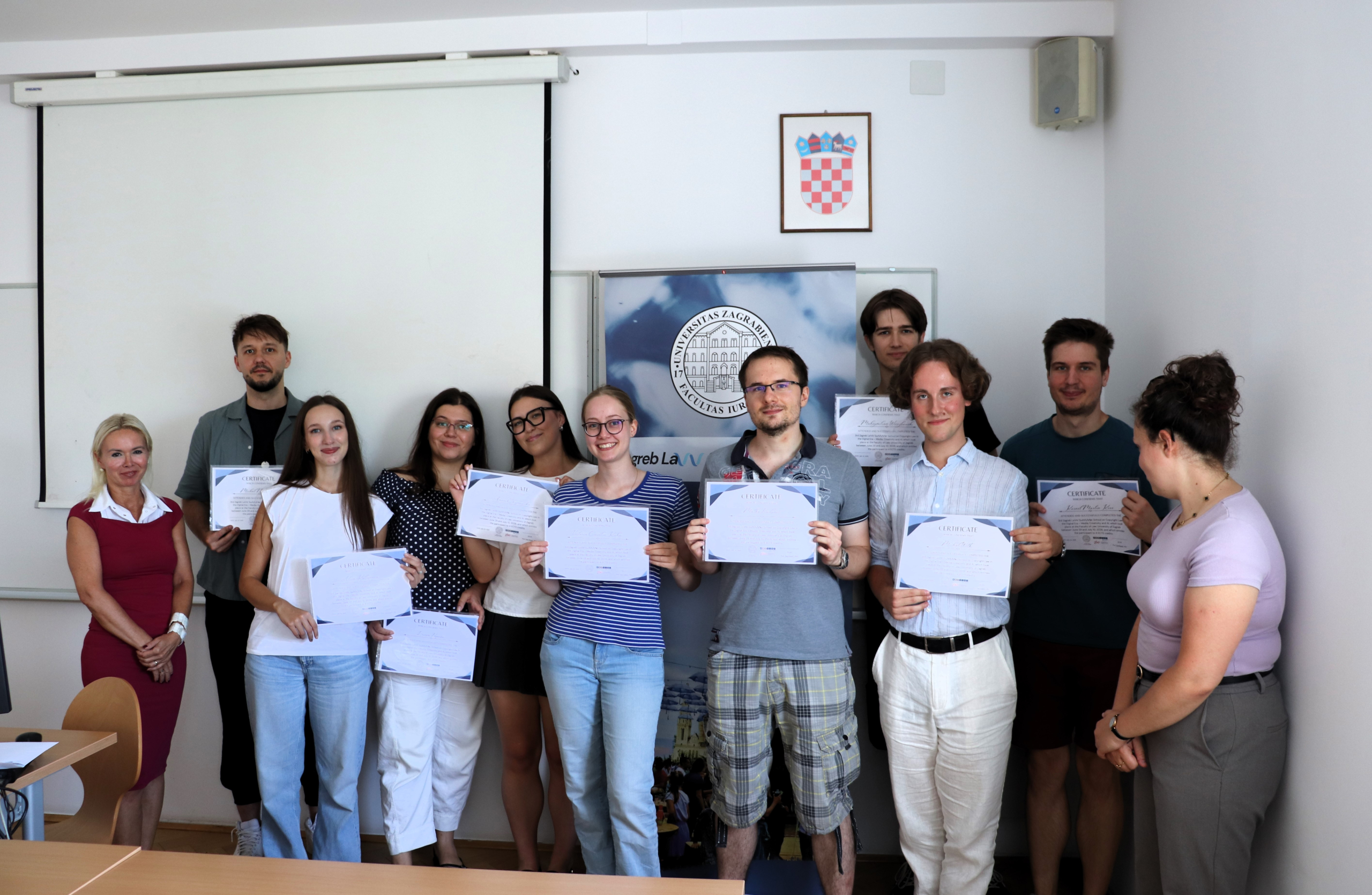
The programme concluded with a final examination, the presentation of certificates of participation, and a closing reception held at the Faculty of Law, University of Zagreb.
We would like to thank all participants for their engagement and contribution to the successful organisation of this year’s Summer School, as well as all lecturers for sharing their knowledge and experience. We extend our special thanks to this year’s programme sponsor, the Croatian Composers’ Society – ZAMP, and to the Programme Director, Professor Romana Matanovac Vučković, for her expert leadership and for shaping this year’s edition of the Summer School.
We look forward to future editions of the Summer School and to continuing our international academic cooperation.